
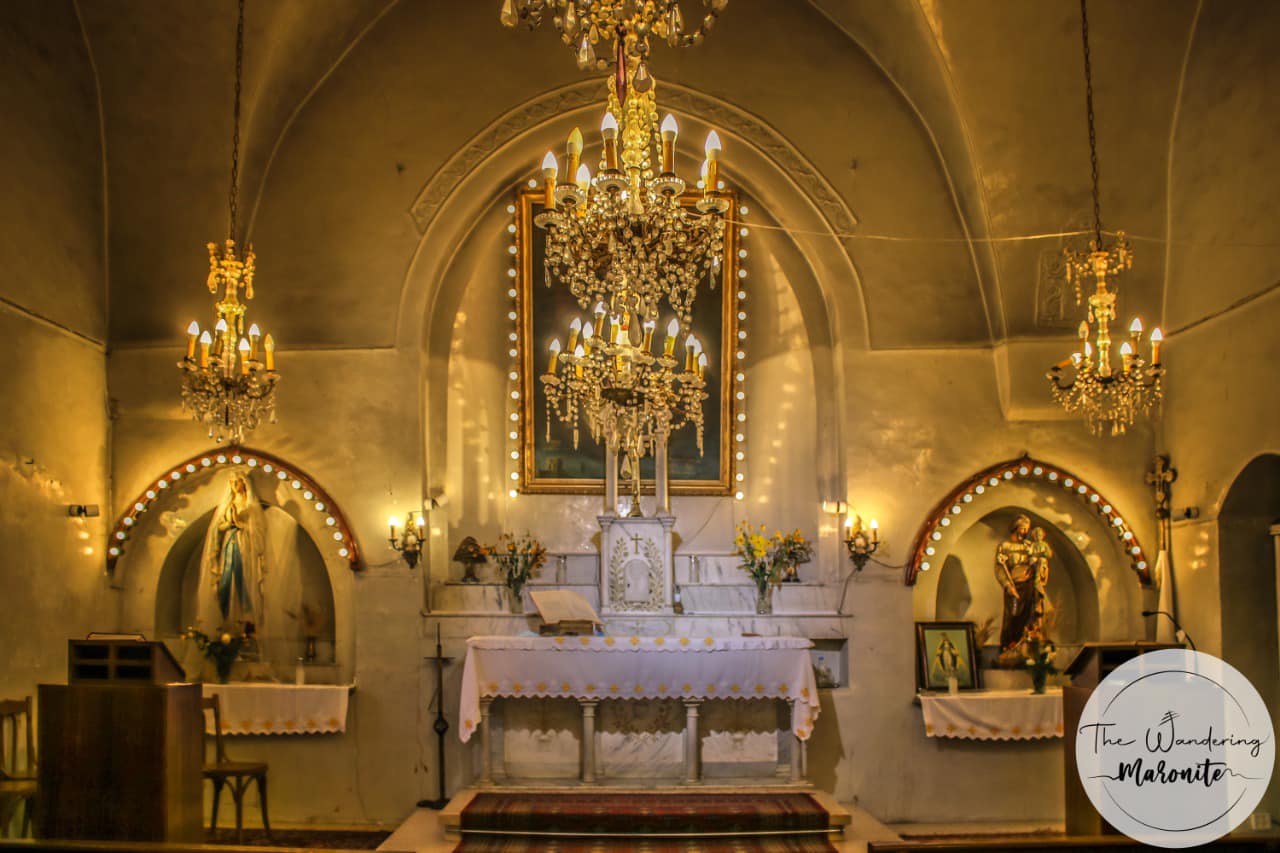
Wadi Jezzine – The church of Our Lady

St. Mary Church - كنيسة السيدة, Wadi Jezzine, Lebanon

Other Details

كنيسة السيّدة

Wadi Jezzine

Jezzine

South

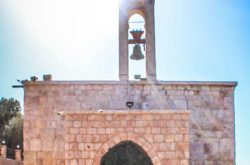
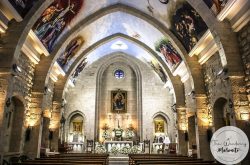
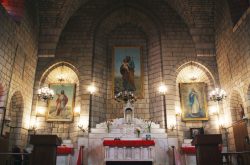
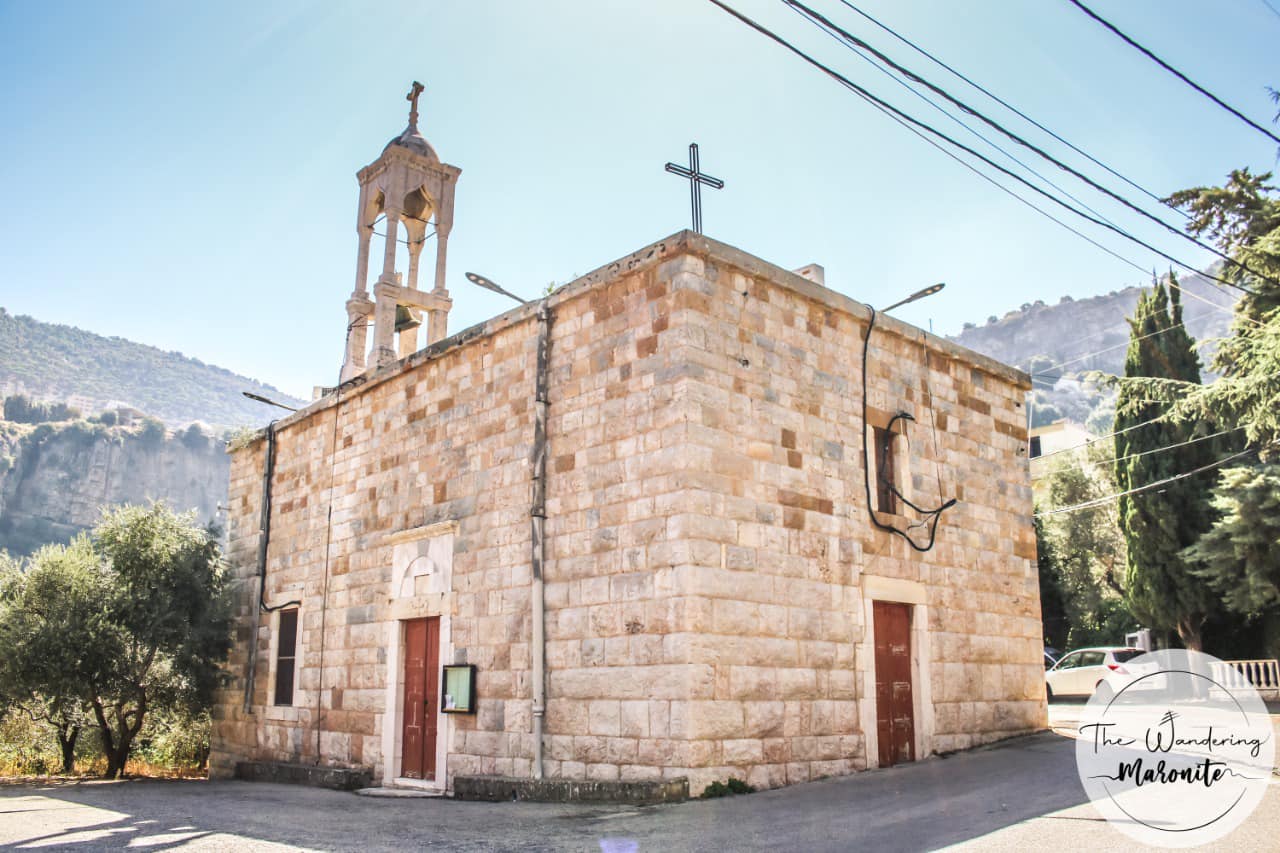
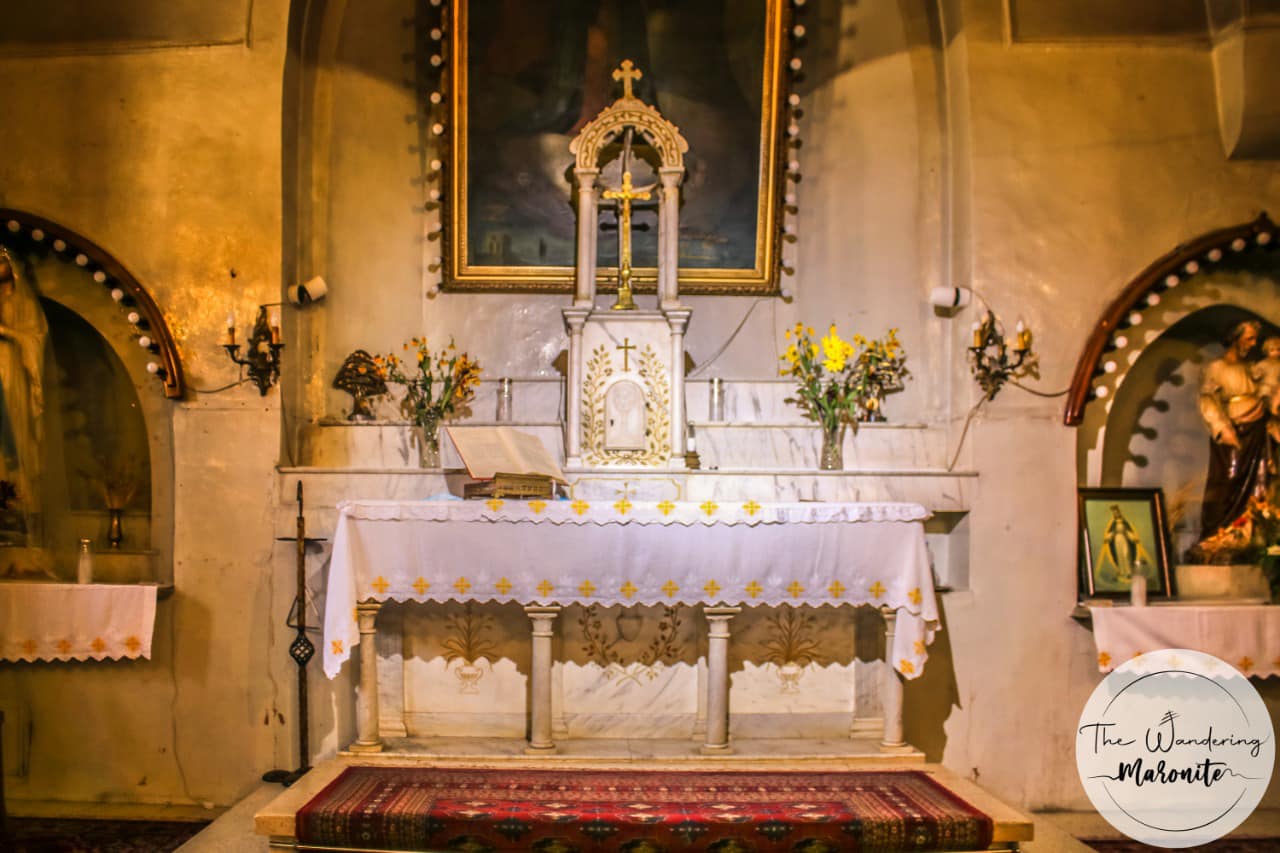
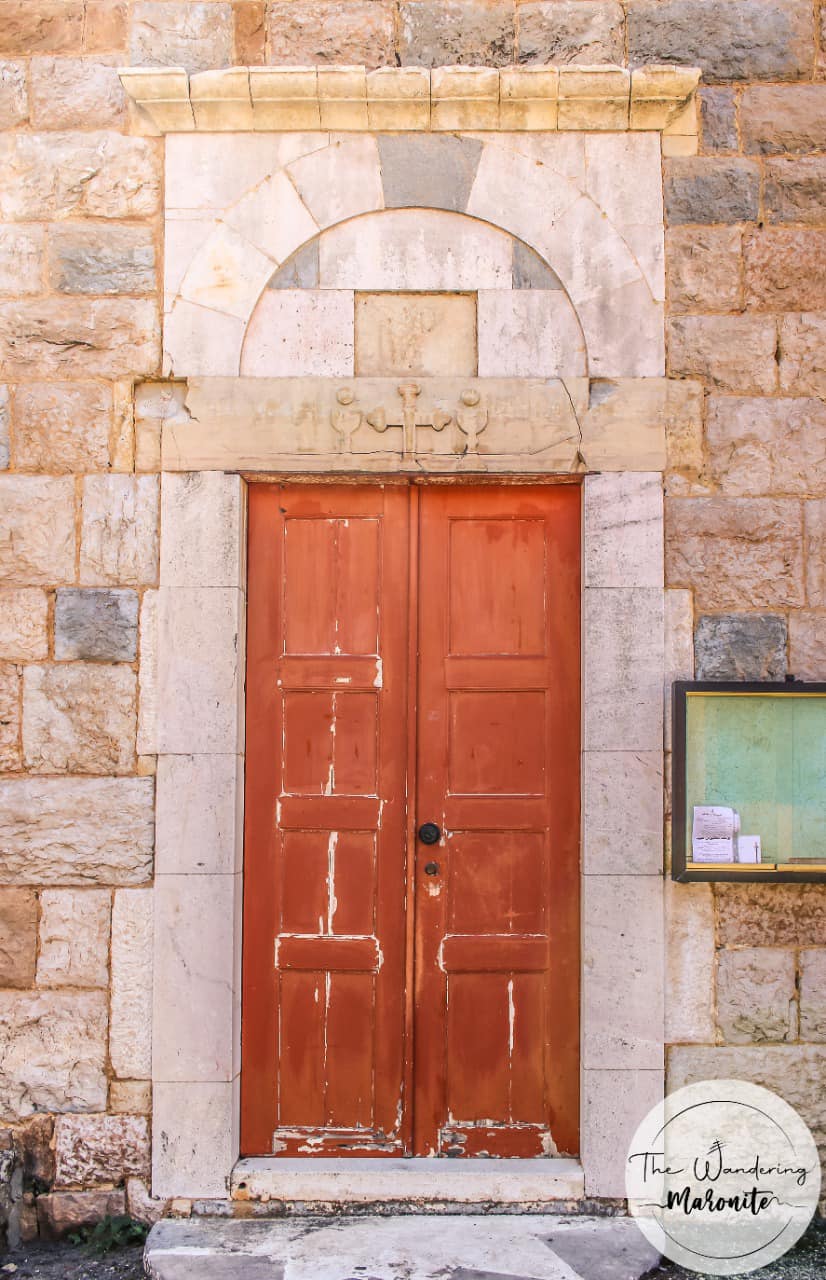
كنيسة السيّدة - وادي جزّينبُنيت الكنيسة الأولى أواخر القرن الثامن عشر وهي كنيسة صغيرة بسقف خشبيّ بهبة من الشيخ بشير جنبلاط. نجت هذه الكنيسة بأعجوبة من الخراب خلال أحداث ١٨٤٠ حين حاول المعتدون إحراق السقف الخشبيّ فلم يحترق وسنة ١٨٦٠ حين وريت بالضباب. سنة ١٨٩٠ أخذت الكنيسة شكلها الحاليّ، لكنّ البناء لم يكتمل إلّا سنة ١٩٠٣ بسعي أبناء البلدة في الأرجنتين. في الكنيسة لوحتان للسيّدة إحداهما تعود للقرن الثامن عشر، والأخرى تعود لسنة ١٩٠١ من عمل الياس الأسمر كرم.The church of Our Lady - Wadi JezzineThe first church was built in the XVIIIth century, it was a small church with a wooden ceiling, on a plot of land donated by Sheikh Bachir Joumblat. The church was miraculously saved from being burned in 1840, and was hidden by a thick fog from the eyes of the aggressors during the war of 1860. In 1890 the church took its final shape with a stone vaulted ceiling. the church was finally completed in 1903. The church holds two paintings of the Virgin Mary: an XVIIIth century icon , and another one from 1901 by Elias Asmar Karam.

Visited 6349 times, 6 Visits today

Reviews are disabled, but trackbacks and pingbacks are open.

Related Listings

The Valley of Houlat Hadshyt – The Church of Mart Shemouny

كنيسة القديسة شمونة, Hadchit, Lebanon

كنيسة مارت شموني

Hadchit

Bcharre

North

كنيسة مارت شموني - وادي حولات حدشيت

يُشَكِّل وادي حولات، جزءًا من وادي قاديشا.
بنيت كنيسة مارت شموني داخل تجويفٍ صخري، أواخر القرن الثاني عشر. تتألف من ثلاثة أسواق، إثنان أساسيّان مبنيان من الحجر والثالث محفور في الصَخر. كانت حتى ثمانينيّات القرن الماضي مَكسّوة بجداريات سريانيّة تعود للقرن الثالث عشر وتتشابه مع نظيراتها في بحديدات. على أبوابها نقوش مسيحانيّة ومريميّة.

The Church of Mart Shemouny- the valley of Houlat Hadshyt

The valley of Houlat is a part of the Qadisha valley. The church of Mart Shemouny was built in a rocky cliff, at the end of the XIIth century. It consists of three aisles: the two main ones are built with stone masonry, and the third is carved into the stone. Up until the 80’s the church was entirely covered by frescoes similar to those in Behdeidat. On the door are still visible Christological and Marial insignia.

Aqtanit – The church of St George the martyr

Historical St. Georges Maronite Church, Aaqtanit, Lebanon

كنيسة مار جرجس الشهيد

Aaqtanit

Saida

South

كنيسة مار جرجس الشهيد - عقتانيت

بنيت الكنيسة في القرن الثامن عشر، تعرّضت للتخريب خلال أحداث سنة ١٨٦٠. البناء كناية عن عقدٍ مصالبٍ بحنية واحدة. تضمّ الكنيسة أيقونتين مقدسيّيتين للسيّدة والعماد، ولوحةً لمار جرجس تعود لسنة ١٩١٦ من عمل خليل عقل. تجدّدت وأعاد تكريسها المطران مارون العمّار في ٢٤ نيسان ٢٠٢٢.
The church of St George the martyr - Aqtanit

The church was built in the XVIIIth century and sabotaged during the war of 1860. The structure consists of a crossed vault with a single nave. The church holds two icons from the school of Jerusalem: the Theophany and the Madonna and a painting of St George by Khalil Akl dating back to 1916. The church was renewed and reconsecrated by bishop Maroun Al Ammar on the 24th of April 2022.

Kobayyat – The monastery of Chalita

Saint Challita church, Qatlabah, Lebanon

دير مار شليطا

Qbaiyat Aakkar

Akkar

Akkar

دير مار شليطا - القبيات

يقع الدّير في منطقة وادي حلسبان، في الأصل كان البناء معبدًا رومانيًّا للإله بان إله الرعيان والمواشي. حوّله الأهالي إلى كنيسةٍ بيزنطيّة على اسم القدّيس شليطا (أرتاميوس) شفيع الحيوانات والمواشي، إشارةً إلى تحوّلهم من الوثنيّة. بقي الدّير مُهملاً فترةً طويلةً، فآل إلى الخراب. خلال تسعينيّات القرن العشرين رُمّم الدّير، لكنّ الترميم أزال قسمًا كبيرًا من معالمه. أصبح الدّير اليوم مقصدًا للسيّاح ومحجًّا.

The monastery of Chalita - Kobayyat

The monastery is located in the valley of Helesban. The building was a roman temple dedicated to Pan the god of shepherds. The temple was converted into a church during the byzantine era and was dedicated to St Chalita (Arthemius) the patron saint of animals and heards. After the middle ages, the monastery fell into ruins for along time. The structure was restored in the last decade of the XXth century, yet the restoration destroyed many of the original elements. The monastery became a pilgrimage site.